

Unsafe Dog Treat Ingredients and What to Avoid
Walk into any pet store and you’ll see shelves packed with “healthy” dog treats. Chicken bites, bacon strips, dental sticks, soft chews, jerky snacks, training rewards… everything claims to be natural, nutritious or vet-approved. But once you flip the bag over and actually read the ingredients, things start looking very different.
A lot of dog treats contain artificial preservatives, cheap fillers, excessive sodium, sugar substitutes and heavily processed ingredients that don’t really belong in a dog’s daily diet. Some are simply low quality. Others can become genuine health risks over time.
More pet owners today are reading labels carefully and paying attention to what goes into their dog’s snacks. That shift is also why cleaner brands like Kaiivo are gaining attention for focusing on herbal wellness, simpler formulas, and more natural ingredient choices.

Why Treat Ingredients Matter
Treats may seem small compared to a dog’s main meals, but many dogs eat treats several times every day. Training rewards, bedtime snacks, boredom chews, and “just because” treats can quickly become a big part of a dog’s routine.
According to the FDA pet food guidance, pet food ingredients must be safe and properly labeled, but that doesn’t automatically mean every ingredient is ideal for long-term daily feeding. Dogs with allergies, digestive sensitivities, skin irritation, obesity, or urinary issues are often more sensitive to lower-quality ingredients.
That’s why ingredient quality matters far more than most people realize.
Artificial Preservatives
One of the most common concerns in processed dog treats is artificial preservatives. Ingredients like BHA, BHT, and ethoxyquin are often used to extend shelf life and prevent fats from spoiling.
While these preservatives are still legally allowed in some pet products, many pet owners prefer avoiding them whenever possible. Natural preservation methods have become much more popular in recent years, especially using ingredients like mixed tocopherols (Vitamin E), rosemary extract, or Vitamin C.
Health-conscious brands increasingly highlight “No Artificial Preservatives” directly on the packaging because consumers actively look for cleaner labels now.
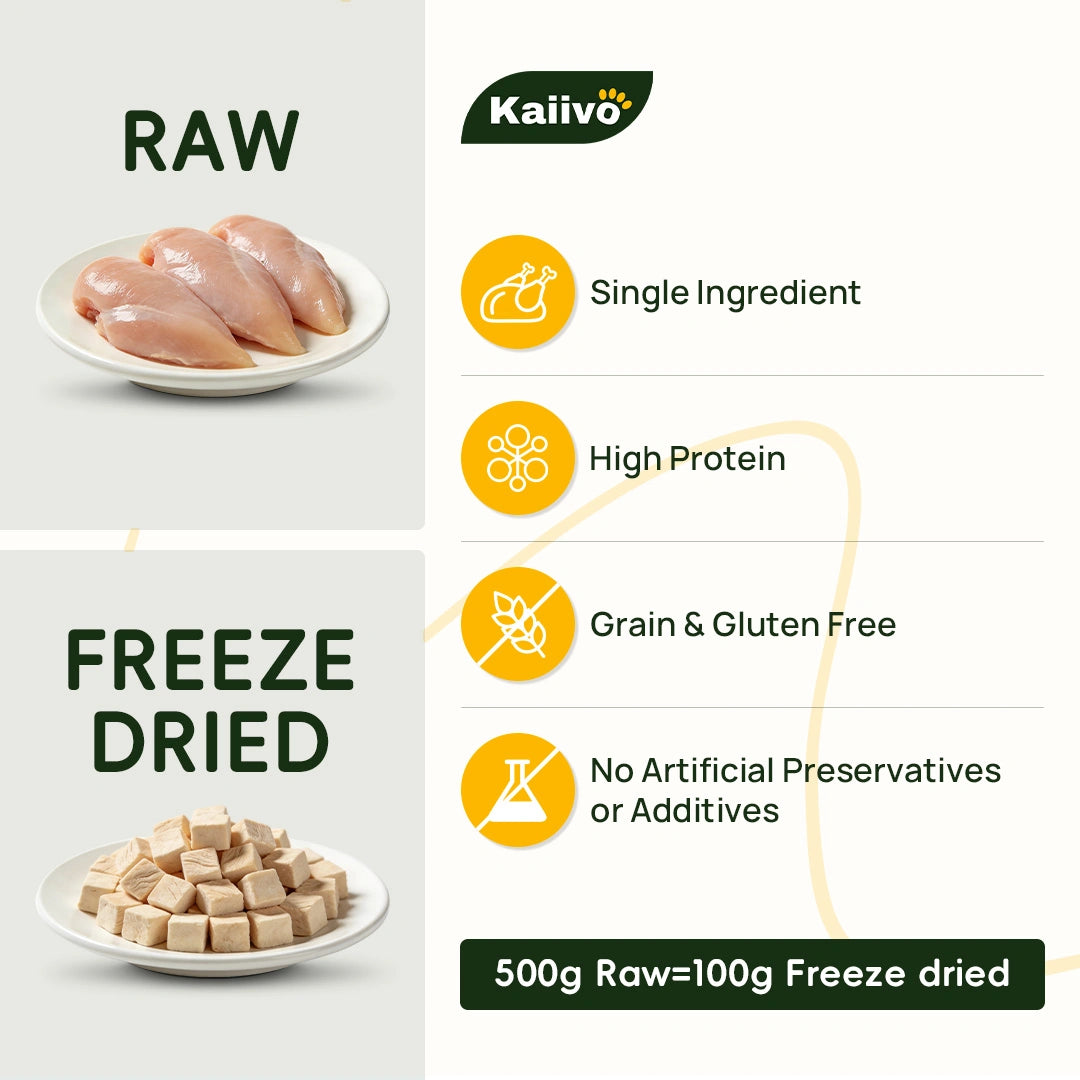
Kaiivo’s herbal supplement and freeze-dried treat collections follow this clean-label direction by avoiding artificial additives and focusing on simpler ingredient lists.
Artificial Colors
Bright red meat sticks. Neon green dental chews. Rainbow-colored biscuits. Dogs do not care what color their treats are, but humans do. That’s exactly why artificial dyes still appear in many products. Ingredients like Red 40, Yellow 5, and Blue 2 are commonly added only to make treats look more appealing on store shelves. They provide no nutritional benefit whatsoever.
If a treat looks unusually colorful, it’s always worth checking the ingredient label. Usually, the simpler the appearance, the cleaner the formula.

Xylitol Can Be Extremely Dangerous
Xylitol is one ingredient every dog owner should know about. According to the FDA warning on xylitol toxicity in dogs, even small amounts of xylitol can cause severe hypoglycemia, seizures, liver failure, and potentially death in dogs.
The dangerous part is that xylitol no longer appears only in gum or candy. It can also be found in peanut butter, sugar-free snacks, vitamins, baked goods, and dental products.
Some products may even label it as “birch sugar,” which makes it easier to miss.
That’s why pet owners should always check labels carefully before sharing human food with dogs.

Cheap Fillers
Many low-cost dog treats rely heavily on fillers instead of real nutrition.
Corn gluten meal, soy hulls, wheat middlings, and brewer’s rice are commonly used to bulk up treats cheaply. Not every dog reacts badly to grains, but excessive filler-heavy formulas often provide lower nutritional value overall. Dogs with food sensitivities may experience itchy skin, digestive upset, excessive paw licking, or recurring ear irritation after eating heavily processed treats.
This is one reason single-ingredient treats have become so popular recently. Freeze-dried chicken bites, beef liver treats, and quail egg yolks appeal to pet owners because the ingredient lists are incredibly simple and easy to understand.

Kaiivo freeze-dried chicken treats are made of pure chicken
Vague Meat Ingredients
Labels that say “meat meal,” “animal digest,” or “poultry by-product” don’t clearly explain what your dog is actually eating. Better-quality treats usually identify the protein source directly, such as chicken, salmon, turkey, duck, or beef liver.
Transparency matters because it helps owners avoid allergens and understand ingredient quality more clearly. The shorter and more recognizable the ingredient list, the easier it becomes to trust the product.
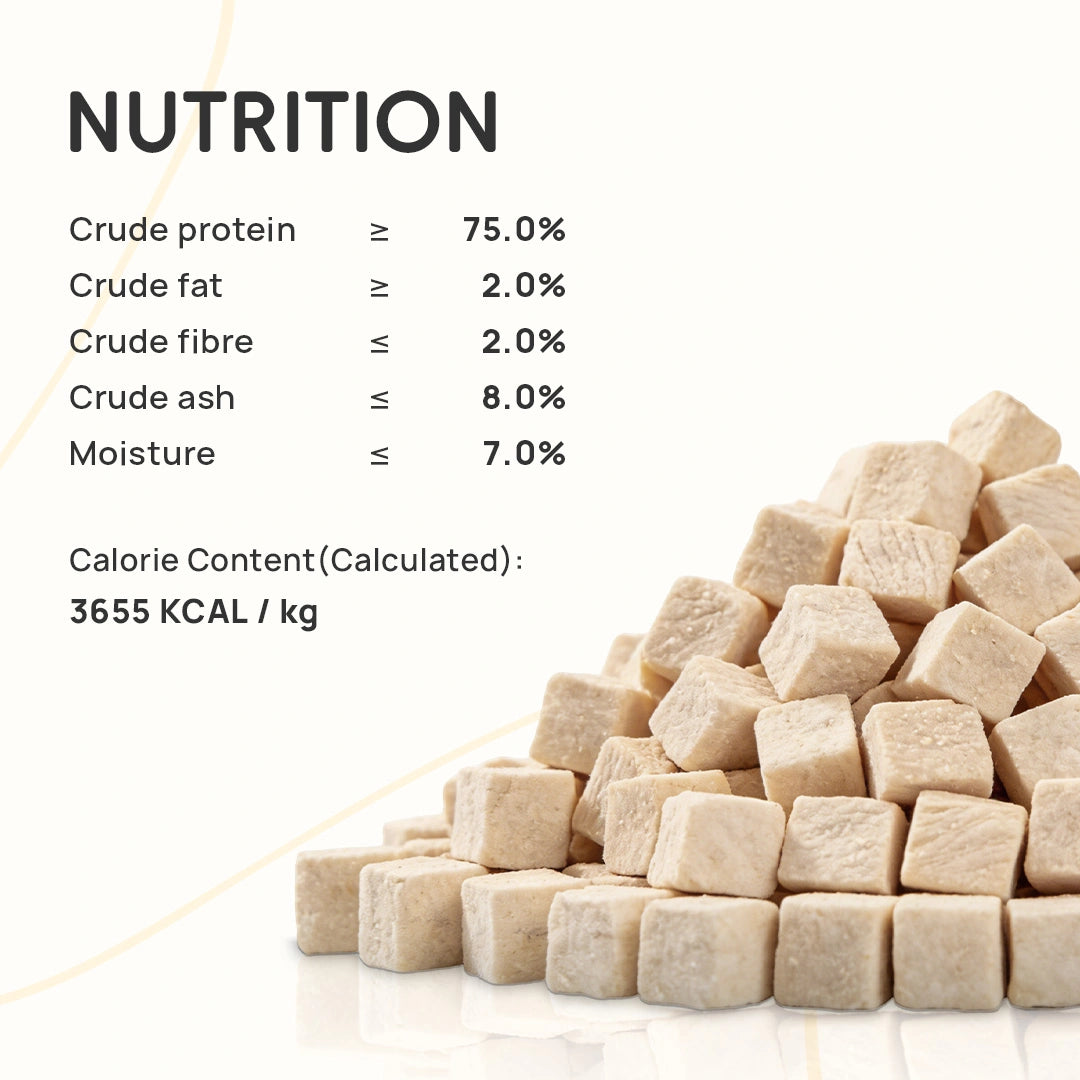
Kaiivo freeze-dried pure chicken treats nutrition
Too Much Salt and Sugar
Dogs do not need heavily salted treats. Some jerky snacks and processed chew products contain surprisingly high sodium levels to improve flavor and extend shelf stability. Excessive sodium intake may contribute to dehydration, increased thirst, and additional kidney strain, especially in older dogs.
Added sugar is another issue hiding in many treats. Syrups, molasses, and sweeteners may improve taste, but they can also contribute to obesity and dental problems over time. Healthier treats usually rely more on natural protein flavor rather than sweetness.
Rawhide Concerns
Rawhide remains one of the more debated dog treat categories. Some concerns include choking hazards, digestive blockages, chemical processing, and artificial whitening methods used during manufacturing. The FDA has also warned about certain bone-style treats causing digestive complications and injuries.
That doesn’t mean every chew is automatically unsafe, but supervision is important, especially for aggressive chewers. Many pet owners now prefer alternatives like freeze-dried treats, softer herbal chews, or limited-ingredient snacks that are easier to digest.

Rawhide is a type of dog chew made from the inner layer of animal skin, usually cowhide, that has been cleaned, processed, and dried into a tough, long-lasting chew.
Ingredients Dogs Should Never Eat
Some ingredients go far beyond “unhealthy” and become genuinely dangerous. According to the ASPCA Animal Poison Control Center, dogs should never consume xylitol, chocolate, grapes, raisins, alcohol, caffeine, or macadamia nuts.
Grapes and raisins are especially unpredictable because even small amounts may cause kidney failure in some dogs. That uncertainty is exactly what makes them risky.

Why More Owners Are Choosing Simpler Treats
There’s a noticeable shift happening in the pet industry right now. Pet owners are becoming far more ingredient-conscious than they were a few years ago. Instead of flashy packaging and artificial flavors, people are looking for shorter ingredient lists, freeze-dried proteins, herbal wellness ingredients, and products without synthetic additives.
This trend is one reason herbal wellness brands are growing quickly. Kaiivo, for example, combines traditional herbal ingredients like turmeric, calendula, chamomile, cranberry, and yucca with daily wellness support for joints, digestion, skin, and urinary health.
Rather than positioning supplements as harsh medical-style products, the brand focuses more on gentle daily support and natural routines.
What Healthier Treats Usually Look Like
A healthier dog treat often looks surprisingly simple. Real ingredients like chicken, salmon, pumpkin, beef liver, sweet potato, blueberries, or egg yolk are usually a good sign. Shorter ingredient lists are generally easier to evaluate and may reduce the chances of sensitivities.
Functional ingredients are also becoming more common in modern pet products. Omega-3s for skin and coat support, turmeric for mobility, pumpkin for digestion, and cranberry for urinary support are now frequently added to soft chews and wellness treats.
At the same time, minimally processed freeze-dried treats continue gaining popularity because they preserve natural flavor and nutrients without needing heavy additives.
Marketing Words Can Be Misleading
Words like “natural,” “premium,” “holistic,” or “healthy” can sound impressive, but they don’t always mean much by themselves. The actual ingredient panel matters far more than front-label marketing.
Some of the best treats on the market come in relatively plain packaging because the ingredients themselves do the talking.
Dogs Usually Prefer Simpler Treats Anyway
Funny enough, dogs are often happiest with uncomplicated treats. A crunchy freeze-dried chicken cube. A beef liver bite. A soft herbal chew that smells like real meat. Dogs care far more about smell and taste than marketing language or bright colors.
That’s why minimally processed treats often work so well for picky eaters too.
The Bottom Line
Reading dog treat labels gets much easier once you know what to avoid. Artificial preservatives, unnecessary dyes, excessive fillers, vague meat ingredients, and dangerous sweeteners like xylitol are some of the biggest red flags to watch for.
Simple recipes, real protein sources, and transparent ingredient lists are usually safer choices for everyday treating.
As more pet owners move toward cleaner, more natural products, brands like Kaiivo official website are helping push the industry toward gentler, ingredient-conscious wellness products that fit modern pet care habits.