

Dog Treats for Sensitive Stomachs: What to Choose
Some dogs can eat almost anything without a problem. Others? One tiny snack change and suddenly you’re dealing with loose stools, weird tummy noises, or the classic middle-of-the-night “I need to go outside right now” situation.
If your dog has a sensitive stomach, treats matter more than most pet parents realize. A lot of snacks on the market are packed with fillers, artificial flavors, greasy fats, or hard-to-digest proteins that can upset digestion fast. The good news is that gentle, stomach-friendly treats do exist — and once you know what to look for, shopping gets a whole lot easier.
Why Some Dogs Have Sensitive Stomachs
Dogs can develop digestive sensitivity for all kinds of reasons. Sometimes it’s food intolerances. Sometimes it’s stress, sudden diet changes, low-quality ingredients, or simply getting older. According to the American Kennel Club, common signs of digestive sensitivity include gas, vomiting, diarrhea, loss of appetite, and stomach discomfort.


What surprises many dog owners is that treats are often the hidden trigger. Dogs may eat the same kibble every day without issues, but random snacks with artificial additives or rich ingredients can throw everything off balance. That’s why dogs with delicate digestion usually do better with simpler recipes and minimally processed ingredients.
The Best Types of Treats for Sensitive Dogs
When choosing treats for a sensitive stomach, “less” is often better. Fewer ingredients usually means fewer opportunities for irritation. Freeze-dried single-ingredient treats have become especially popular because they’re simple, protein-focused, and easy to digest.
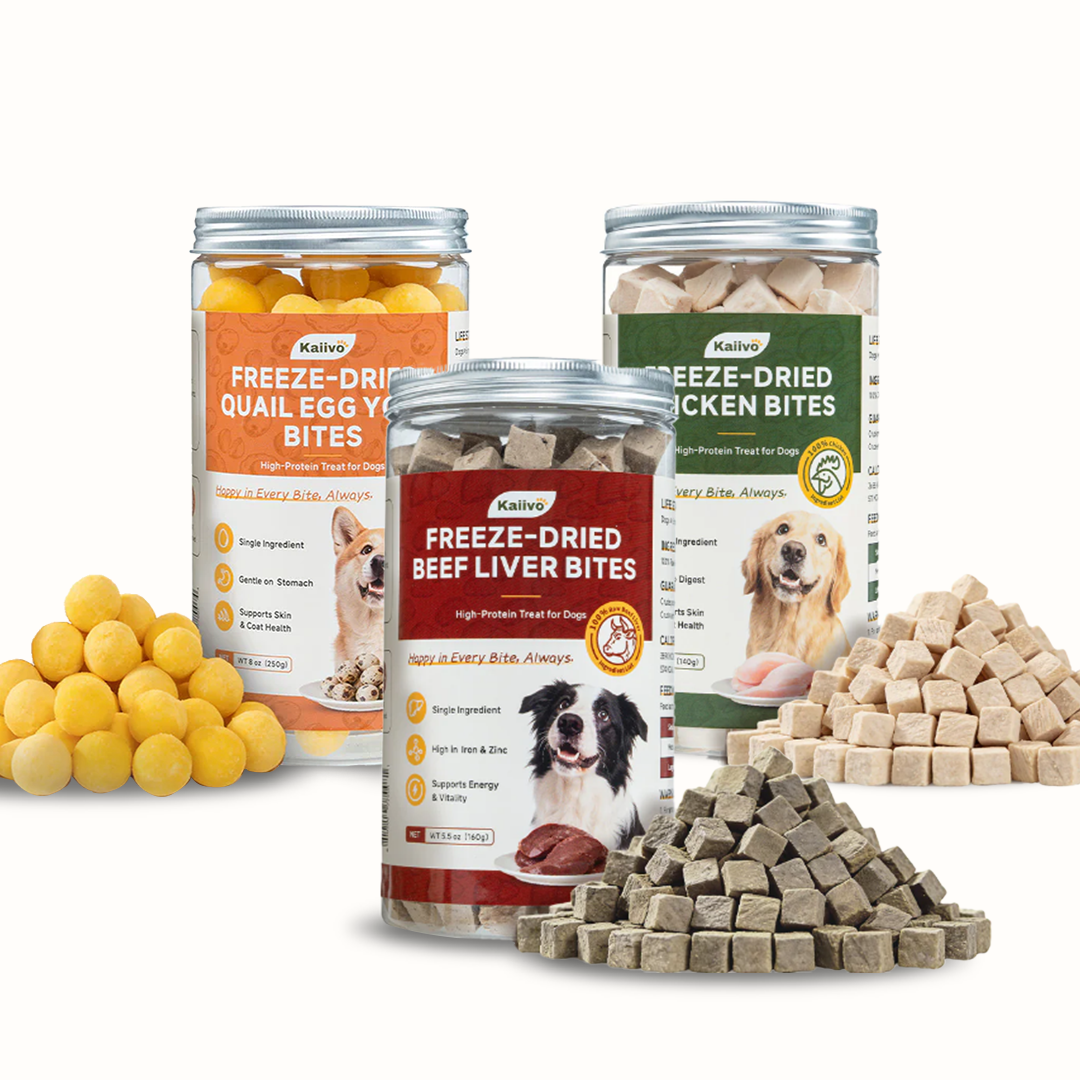
Kaiivo natural freeze dried pet treats for dogs & cats
Single-Ingredient Freeze-Dried Treats
One of the easiest ways to avoid digestive problems is sticking to a single protein source. That means no long ingredient lists, no mystery flavor coatings, and no artificial preservatives. Products like Kaiivo freeze-dried chicken bites or freeze-dried beef liver bites fit this approach well because they focus on clean, straightforward ingredients.
Freeze-dried treats also go through minimal processing compared to heavily baked snacks. That helps preserve nutrients and natural flavor while avoiding unnecessary additives. According to the Cummings Veterinary Medical Center at Tufts University, ingredient quality and digestibility are often more important than trendy marketing terms when evaluating pet food and treats.
Dogs with sensitive digestion often tolerate simple protein treats better than heavily processed biscuits.
Chicken Isn’t Always the Problem
A lot of people assume chicken automatically causes stomach issues in dogs. Sometimes it does — but often the problem is actually the extra ingredients surrounding the chicken. Artificial smoke flavor, preservatives, excess fat, glycerin-heavy formulas and fillers are more likely to cause digestive irritation than plain chicken itself.
A clean freeze-dried chicken treat made from 100% chicken can be easier on the stomach than a “sensitive stomach” biscuit filled with ten different additives. That’s why reading ingredient labels carefully matters so much.
Gentle Treats Can Still Be Nutritious
Some pet parents worry that sensitive-stomach treats are boring or lacking nutrition. In reality, simple dog treats can still provide valuable nutrients. Freeze-dried quail egg yolk treats, for example, naturally contain lecithin, healthy fats, vitamin A, and choline. Those nutrients support skin, coat, and brain health while remaining relatively gentle on digestion. Egg yolk also tends to be highly palatable, which helps picky eaters who refuse bland snacks.
The National Research Council’s guide on canine nutrition notes that fats and fat-soluble vitamins play important roles in skin, immune, and neurological health when properly balanced in a dog’s diet. For many dogs, digestibility matters more than having an ultra-low-fat treat.

Dog digestion system
What Ingredients Should You Avoid?
If your dog regularly gets stomach upset after snacks, certain ingredients are worth watching closely. Artificial colors and preservatives are common culprits. Excessively greasy treats can also trigger digestive problems, especially in smaller dogs. Some dogs struggle with dairy-heavy snacks, while others react poorly to treats loaded with sugar syrups or multiple protein sources. Very hard chews can sometimes irritate digestion too, especially if dogs gulp them down too quickly.
Simple ingredient lists usually work best:
- One protein source
- Minimal fillers
- No artificial additives
- Moderate fat levels
- Clearly labeled ingredients
That’s one reason freeze-dried treats continue gaining popularity among owners of sensitive dogs.

Kaiivo freeze-dried chicken treats
Probiotics Can Help — But Don’t Overdo It
Digestive supplements and probiotic chews can support gut health, especially for dogs with recurring stomach issues. Research published by the National Center for Biotechnology Information (NCBI) shows that probiotics may help improve stool quality and digestive balance in dogs when properly formulated. Soft probiotic chews with gentle ingredients like pumpkin, inulin, and probiotic blends are often easier for sensitive dogs than rich treats loaded with fats or artificial flavors.
Kaiivo’s herbal probiotic chews, for example, combine probiotics with pumpkin, papaya, and herbal ingredients designed for daily digestive support. Still, moderation matters. Too many treats — even healthy ones — can upset the stomach if introduced too quickly.
Sensitive Dogs Often Do Better With Consistency
One thing many owners overlook is how often they rotate treats. Some dogs can handle constant variety. Sensitive dogs usually can’t. Switching between beef one day, peanut butter the next, then cheese-flavored snacks after that can make digestion unpredictable. Once you find a treat your dog handles well, sticking with it consistently is usually the safer move.
That doesn’t mean dogs can never try anything new. It just helps to introduce new treats slowly and in small amounts. A good rule is to test one new treat at a time for several days before adding another.
Texture Matters More Than You Think
Crunchy biscuits aren’t automatically bad, but softer or lightweight treats are often easier on digestion.
Freeze-dried treats tend to break apart more easily in the stomach compared to dense baked biscuits. Soft chews may also work well for older dogs or dogs with sensitive teeth. Some pet owners even crumble freeze-dried treats over meals instead of feeding large snack portions all at once. That can make digestion easier while adding flavor and excitement to regular food.
Adding warm water to freeze-dried treats can also help hydration and create a softer texture for sensitive dogs.

Add warm water to freeze-dried treats
Watch Portion Sizes
Even the healthiest treat can cause problems if dogs eat too much of it. According to the American Veterinary Medical Association, treats should generally make up no more than 10% of a dog’s daily calorie intake. This becomes especially important for rich treats like liver or egg yolk, which are nutrient-dense and calorie-dense.
Smaller portions are usually better for sensitive dogs anyway. Tiny amounts throughout the day are often tolerated better than one giant snack session.

You should start by feeding small portions to your dog.
Natural Doesn’t Have to Mean Complicated
Some of the best treats for sensitive stomachs are surprisingly simple. A clean protein source. Minimal processing. No artificial junk. Easy digestion. That’s really the formula many sensitive dogs respond to best.
Brands like Kaiivo are leaning into this simpler approach by combining natural ingredients, freeze-dried processing, and gentle herbal support without overloading formulas with unnecessary extras. For dogs with sensitive stomachs, that simplicity can make everyday treating feel a lot less stressful — for both pets and their humans.