

Do Dog Treats Have Nutritional Value? What You Should Really Know
If you’ve ever tossed your dog a treat and wondered whether it’s actually doing anything good, you’re definitely not the only one. Treats feel like a small part of your dog’s day, but over time, they add up—both in calories and in impact.
The short answer? Yes, dog treats can have nutritional value. But that value depends heavily on what’s inside them and how they’re made.
Not Just Snacks: Treats Can Contribute to Nutrition
It’s easy to think of treats as “just extras,” but that’s not entirely accurate. Even though they shouldn’t replace a complete diet, they can still contribute useful nutrients when chosen carefully. The American Kennel Club points out that treats can be part of a healthy routine when fed in moderation, ideally under 10% of daily calorie intake (https://www.akc.org/expert-advice/nutrition/best-dog-treats/).
What makes a difference is the ingredient itself. A freeze-dried chicken bite brings real protein into your dog’s diet, while something like a quail egg yolk treat adds natural fats and micronutrients that support skin and coat health. Even small portions of nutrient-dense foods can play a role over time, especially when they’re used consistently.
What “Nutritional Value” Really Means Here
When we talk about nutritional value in treats, we’re not saying they need to replace dog food. It’s more about whether they provide something meaningful instead of just empty calories.
Take egg yolks as an example. They naturally contain lecithin and essential fatty acids, which are linked to cell health and fat metabolism. Research from the National Institutes of Health highlights how lecithin supports biological functions at the cellular level (https://pmc.ncbi.nlm.nih.gov/articles/PMC7230998/). That’s why you’ll often see egg-based treats marketed for coat and skin support.
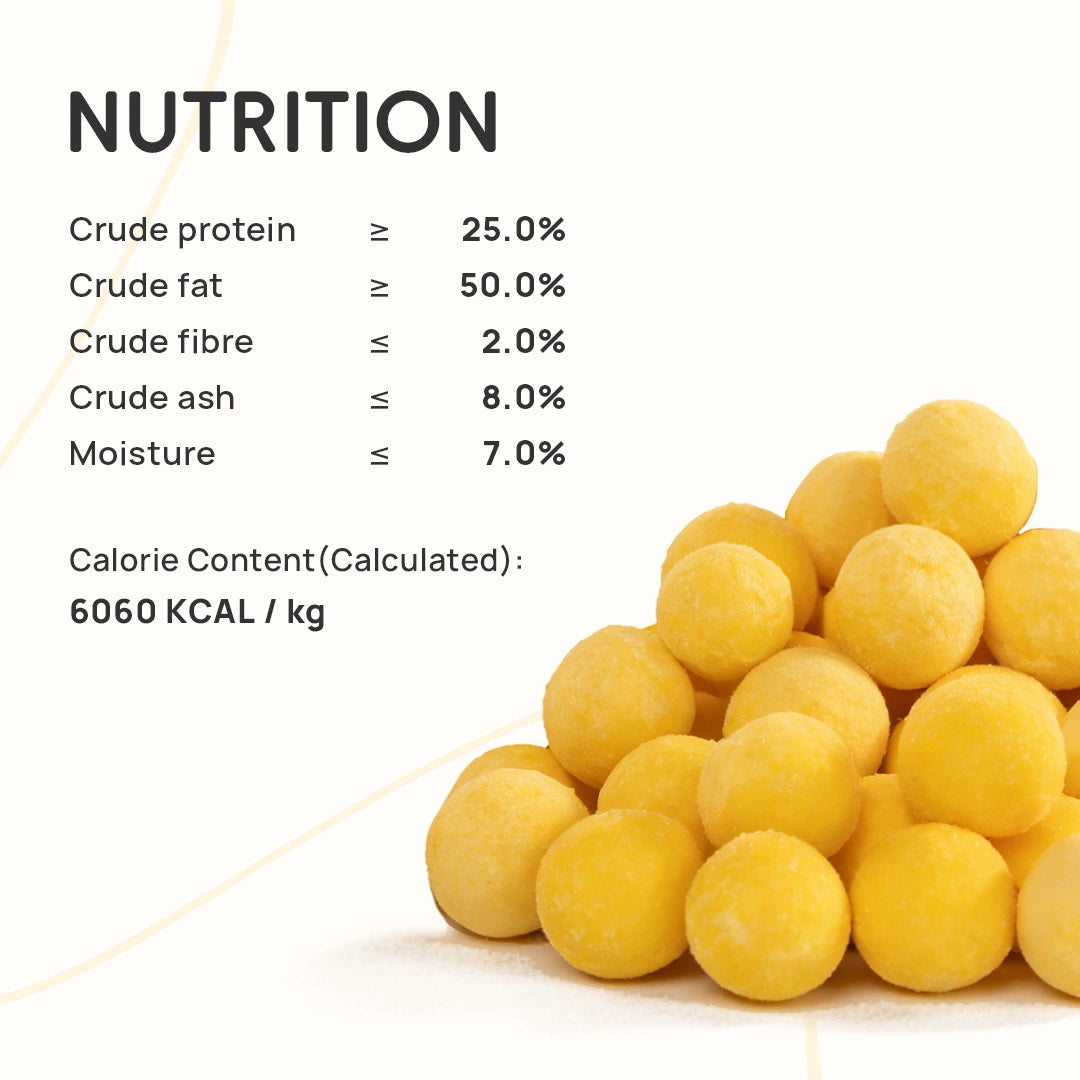
Kaiivo quail egg yolks nutrition
Organ meats tell a similar story. According to the USDA nutrient database, liver is naturally rich in vitamin A, iron, and B vitamins, all of which support energy levels and immune health (https://fdc.nal.usda.gov/). When used in controlled amounts, it’s one of the most nutrient-dense ingredients you can give a dog.
Why Processing Matters More Than You Think
The way a treat is made has a huge impact on how much nutrition actually makes it into your dog’s body. High-heat processing, which is common in many commercial treats, can degrade sensitive nutrients and leave behind something that’s more about taste than substance.
Freeze-drying works differently. By removing moisture at low temperatures, it helps preserve the original structure of proteins, fats, and vitamins. That’s why freeze-dried treats tend to feel closer to real food—they basically are, just without the water.
This is also where brands like Kaiivo stand out. Instead of building treats around fillers or artificial enhancers, the focus is on single-ingredient recipes like chicken, beef liver, or whole quail egg yolks. The idea is simple: keep the ingredient clean, process it gently, and let the natural nutrition do the work.
When Treats Become Just Empty Calories
Not every treat on the shelf is helping your dog. Some are packed with fillers, artificial flavors, and unnecessary additives that don’t contribute much beyond calories. These types of treats are often designed to be cheap to produce and appealing in appearance, but they don’t offer much in terms of real nourishment.
The Association of American Feed Control Officials provides nutritional guidelines for complete pet foods, but treats don’t always follow those same standards (https://www.aafco.org/). That’s why reading the ingredient list matters more than marketing claims. If the ingredients don’t resemble real food, chances are the nutritional value is minimal.
Treats Can Support Wellness—But They’re Not a Shortcut
There’s been a noticeable shift toward treats that do more than just taste good. Some now include ingredients aimed at supporting joints, digestion, or skin health, often combining natural components with modern formulation approaches.
Brands like Kaiivo are leaning into this idea by incorporating herbal ingredients alongside nutritional ones, bringing a more holistic approach to everyday pet care. It’s an interesting direction, especially for pet owners looking to support long-term wellness in a gentle way.
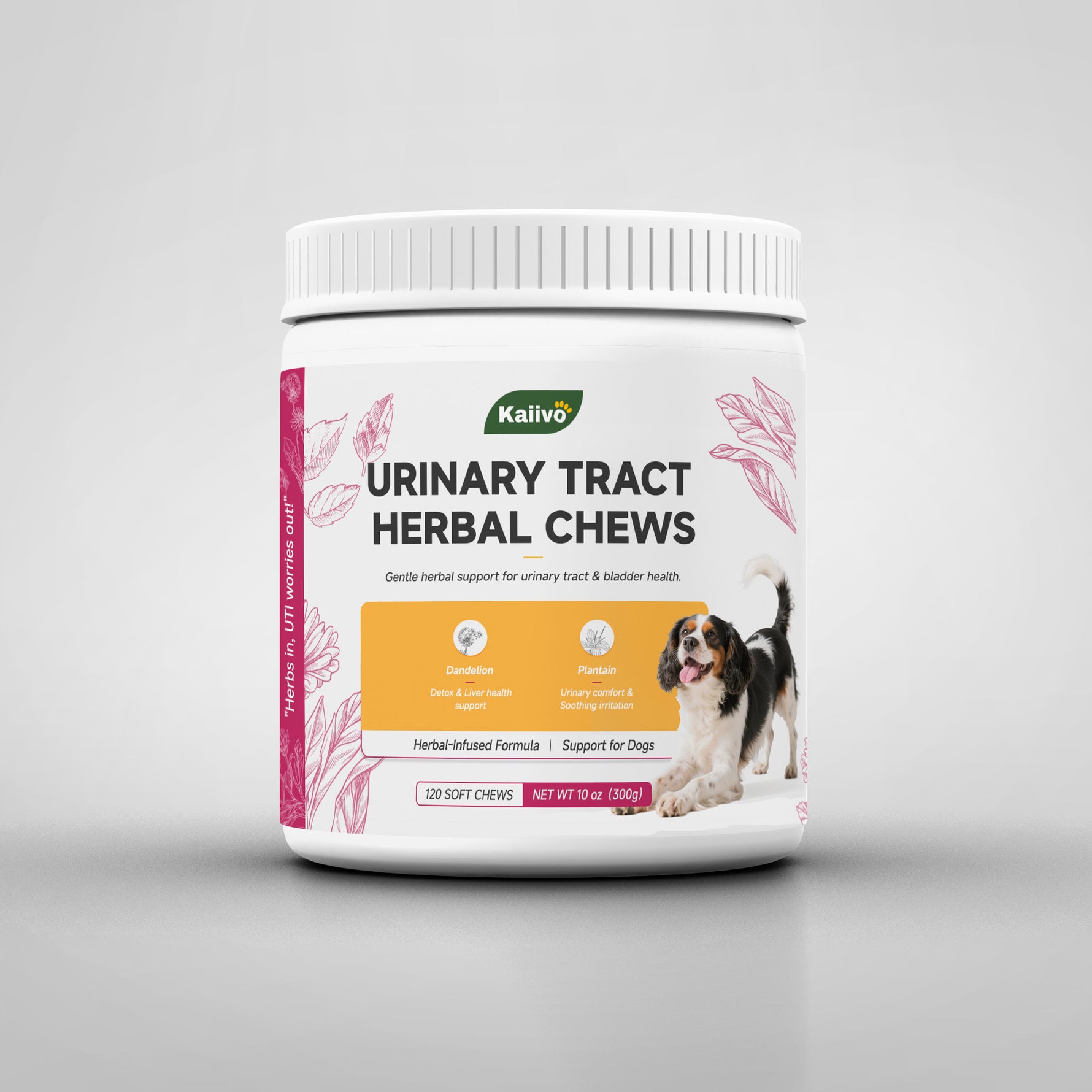
Kaiivo urinary tract herbal chews
Still, it’s important to keep expectations grounded. Treats can support health, but they don’t replace a balanced diet or professional care. They work best as part of a bigger picture.
Portion Still Matters More Than You Think
Even when you’re choosing high-quality treats, quantity plays a big role. Overfeeding treats—even healthy ones—can lead to weight gain or throw off your dog’s nutritional balance.
The American Veterinary Medical Association emphasizes moderation as a key part of responsible feeding (https://www.avma.org/). Treats should complement your dog’s daily meals, not compete with them.
So, Do Dog Treats Have Nutritional Value?
They absolutely can. When treats are made from real, nutrient-dense ingredients and processed in a way that preserves those nutrients, they go beyond being just rewards. They become small but meaningful additions to your dog’s overall diet.
The difference really comes down to simplicity and quality. A clean, single-ingredient treat offers something your dog’s body can actually use. And when that’s paired with thoughtful feeding, treats become more than just a moment of excitement—they become part of everyday care.