Can Dog Treats Cause Diabetes? What Dog Owners Need to Know

Can Dog Treats Cause Diabetes? What Dog Owners Need to Know

If you’ve ever handed your dog a second (or fifth) treat just because they looked extra cute, you’re definitely not alone. Treats are part of everyday life with dogs—training rewards, bonding moments, or just a quick “good job.” But at some point, a lot of pet parents start wondering: am I overdoing it and could this lead to something serious like diabetes?

The honest answer is a bit more nuanced than yes or no. Treats themselves aren’t the direct cause of diabetes, but the way they’re used over time can absolutely increase the risk.

What’s really behind diabetes in dogs

Diabetes Mellitus in Dogs develops when a dog’s body can’t properly regulate blood sugar. This usually happens because the pancreas isn’t producing enough insulin, or the body isn’t responding to it effectively. It’s not something that appears overnight, and it’s rarely caused by a single factor.

According to the American Kennel Club (https://www.akc.org/expert-advice/health/diabetes-in-dogs/), dogs that are overweight are significantly more likely to develop diabetes. Extra body fat affects how the body handles glucose, making it harder to maintain stable blood sugar levels. Over time, this imbalance can turn into a chronic condition that requires lifelong management.

Where dog treats quietly come into play

Dog treats don’t flip a switch that suddenly causes diabetes. What they do, especially when given too often or without much thought, is slowly push your dog toward weight gain. Those extra calories may not seem like much in the moment, but they add up quickly across days, weeks, and months.

The American Veterinary Medical Association (source: https://www.avma.org/javma-news/2016-06-15/study-over-half-pet-dogs-and-cats-were-overweight-2015) highlights obesity as one of the most common health issues in pets, and one that directly contributes to chronic conditions like diabetes. When treats become a frequent habit rather than an occasional reward, they can quietly tip the balance from healthy to overweight.
The type of treat matters more than most people think

Not all treats are built the same, and this is where things start to make a real difference. Some treats are packed with fillers, artificial additives, and even added sugars, which don’t offer much nutritional value and can contribute to unnecessary calorie intake. Others are much simpler and closer to whole food.

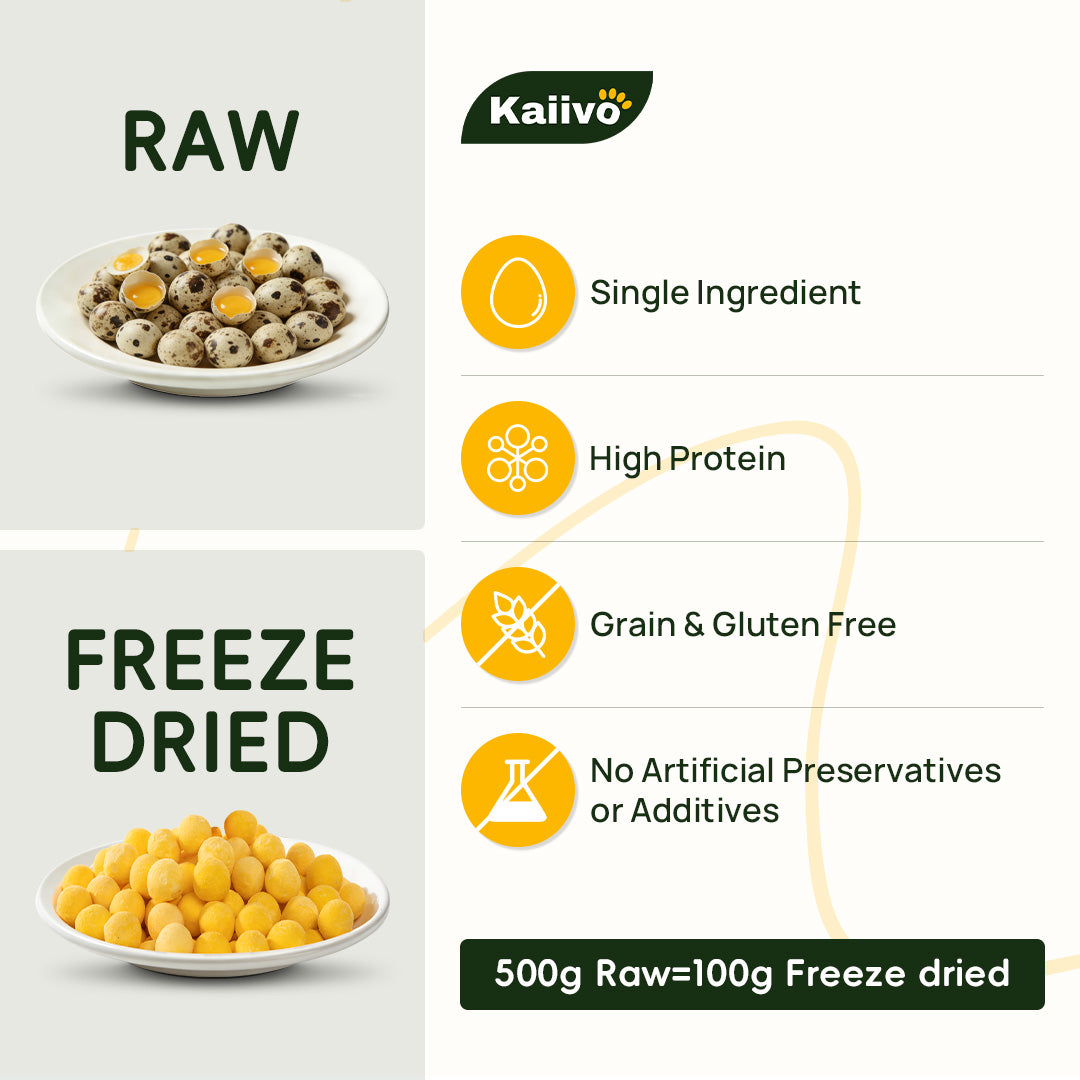
Treats made with single ingredients, especially freeze-dried dog treats, tend to be higher in protein and free from unnecessary extras. That simplicity makes them easier to portion and generally better aligned with a dog’s natural diet. This is the approach brands like Kaiivo take, focusing on clean, single-ingredient treats such as chicken, beef liver, or quail egg yolk, gently freeze-dried to preserve nutrients without adding anything artificial.

Instead of being empty calories, these kinds of treats feel more like a small extension of your dog’s regular nutrition.

Kaiivo freeze dried quail egg yolk features

Why portion control matters more than anything else

It’s easy to assume that switching to a “healthier” treat solves everything, but portion size still matters just as much. Even high-quality treats can lead to weight gain if they’re overfed.

Veterinary nutrition guidelines generally recommend keeping treats to about 10% of a dog’s daily calorie intake. That might sound like a lot at first, but it’s actually a pretty small amount in practice. A few extra bites here and there can quickly exceed that limit, especially with enthusiastic treat-givers in the house.

Keeping portions in check doesn’t mean cutting out treats completely. It just means being a little more intentional—breaking treats into smaller pieces, spacing them out, and balancing them with your dog’s main meals.

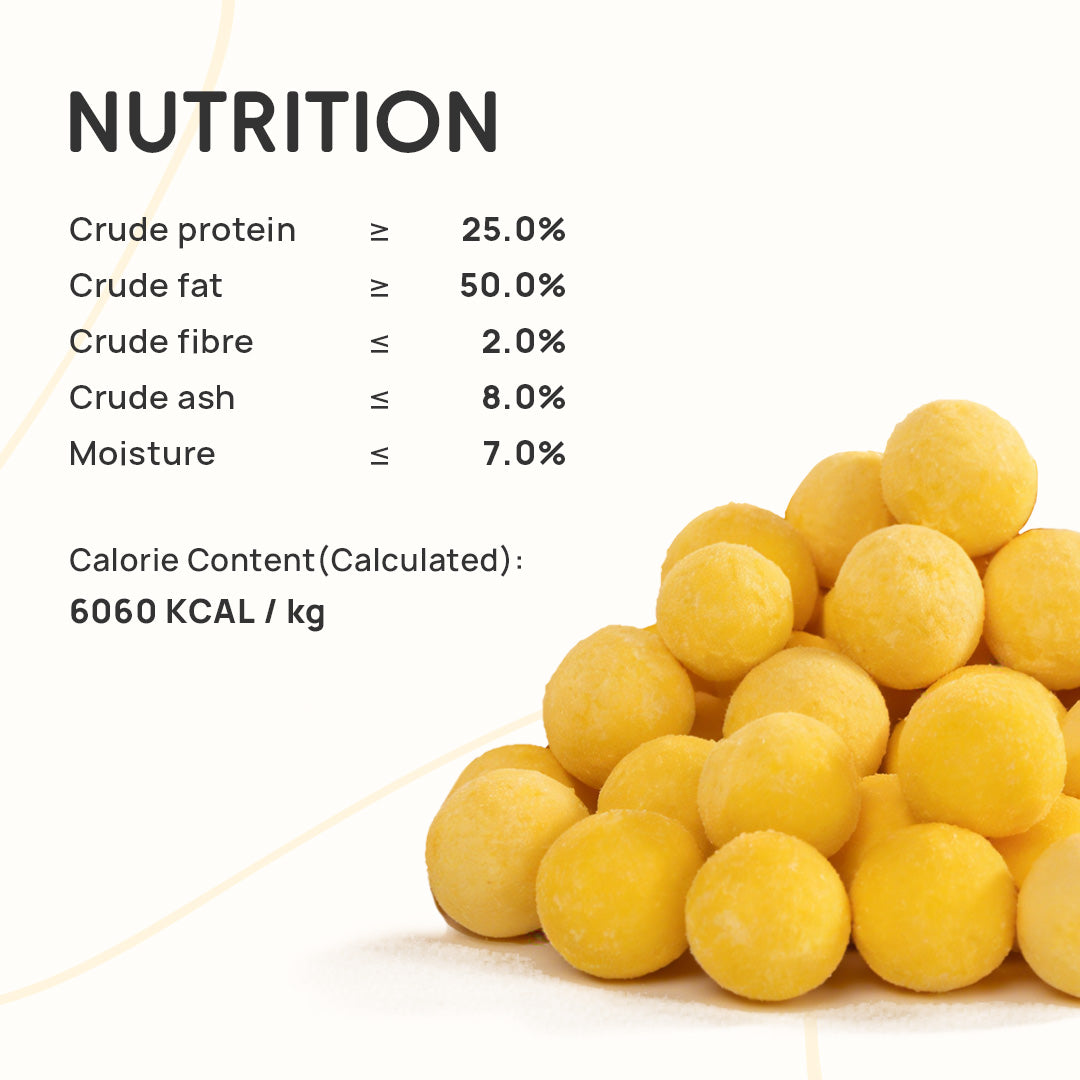
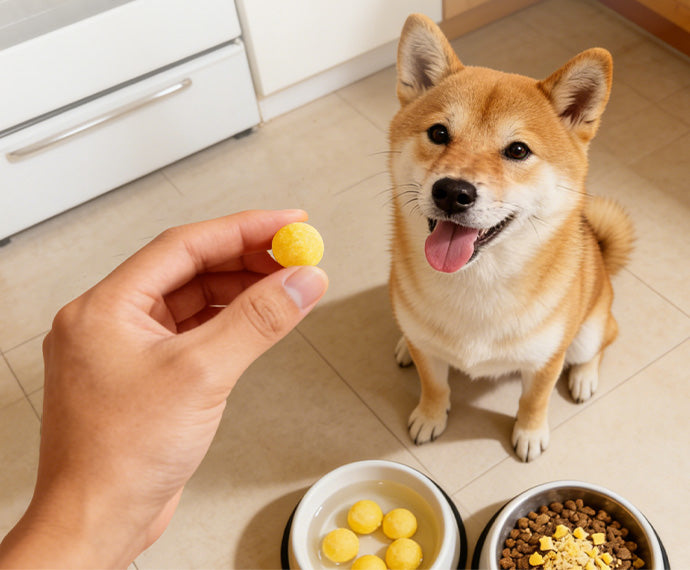
You should control feeding portion when feeding Kaiivo freeze dried quail egg yolk

It’s not really about sugar—it’s about overall calories

One common misconception is that sugar alone is the main cause of diabetes in dogs. In reality, dogs are more affected by overall calorie intake and body weight than by sugar specifically.

The Merck Veterinary Manual (https://www.merckvetmanual.com/endocrine-system/the-pancreas/diabetes-mellitus-in-dogs-and-cats) explains that excess body fat reduces insulin sensitivity. This means the body becomes less efficient at managing blood sugar, even if the diet itself isn’t particularly high in sugar. Over time, that reduced sensitivity can lead to diabetes.

So even treats that seem “healthy” can contribute to risk if they push your dog into a calorie surplus.

Watch out overall calories intake each day.

Keeping treats in your routine without the risk

The good news is that you don’t have to stop giving treats to keep your dog healthy. It’s more about how you use them than whether you use them at all.

When treats are used intentionally—during training, as occasional rewards, or in smaller portions—they remain a positive part of your dog’s routine. Choosing simpler, nutrient-dense options can also help you feel more confident about what you’re feeding.

This is where cleaner products, like Kaiivo’s freeze-dried treats, fit naturally into the picture. Because they rely on single ingredients and avoid fillers, they make it easier to reward your dog without adding unnecessary calories or questionable additives into their diet.

A more balanced way to think about treats

Treats aren’t something to feel guilty about. They’re part of how we communicate with and care for our dogs. The key is just staying aware of how small habits build up over time.

When treats become constant, unmeasured snacks, they can contribute to weight gain and eventually increase the risk of conditions like diabetes. But when they’re given with a bit of thought—paired with good ingredient choices and reasonable portions—they stay exactly what they’re meant to be: a simple, happy moment between you and your dog.